Rings · Settings
Choose a setting for the week you actually have.
A ring can look perfect in a close-up and still be annoying to wear. Think about gloves, pockets, gym equipment, gardening, children, cleaning and how often you are willing to visit a jeweller.
What changes in daily wear
| Choice | Why people like it | Ask about |
|---|---|---|
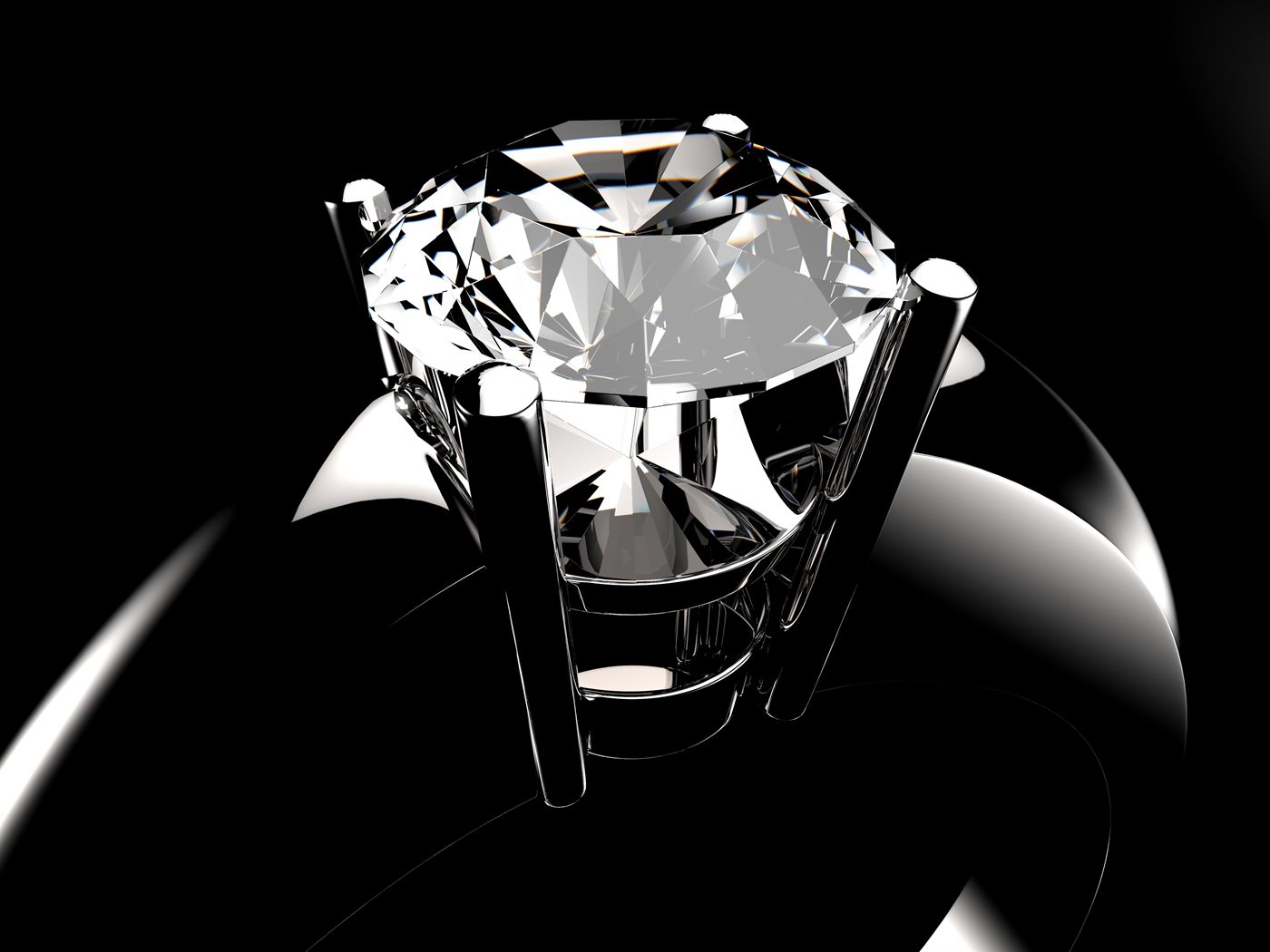
| Prong solitaire | Shows plenty of the centre stone and keeps the design visually light. | Setting height, snagging, four versus six prongs and how often the prongs should be checked. |
| Bezel | A smooth rim protects the diamond’s edge and is less likely to catch on fabric. | How much of the outline is covered, cleaning access and whether the enclosed look suits the stone. |
| Halo | Adds sparkle and makes the centre area look larger. | The number of small stones, replacement policy, cleaning and whether a wedding band will sit flush. |
| Pavé band | Gives the band a fine line of sparkle. | How far the stones continue around the band, future resizing and the maintenance of many small settings. |
| Three-stone | Creates more coverage across the finger and can mix shapes. | The centre stone’s actual size, side-stone proportions and the combined width on the hand. |
| Channel-set band | Places small stones between metal walls for a smoother profile. | Resizing limits, cleaning between stones and the centre stone’s weight rather than total diamond weight alone. |
Four prongs or six?
Six prongs add redundancy if one is damaged. Four expose more of the outline. The quality of the metalwork and the person setting the stone matter more than simply counting prongs. Ask the jeweller to show you the ring from the side and explain how the stone is supported.
Do not forget the wedding band
A low basket, wide halo or decorative shoulder can stop a straight wedding band sitting beside the engagement ring. If a flush fit matters, try the two rings together or get the dimensions in writing before ordering.
Total diamond weight can hide the useful number
A ring may advertise the weight of every small stone combined. That total does not tell you the size of the centre diamond. Record the centre stone’s own carat weight and millimetre dimensions.
Sources
Setting terminology and maintenance guidance are supported by the GIA guide to engagement-ring settings. Construction varies, so ask about the exact ring rather than relying on the style name.
See setting height and wedding-band fit visually →